Manufacturer’s Warranties Available
Utility Trenching for Detached Shops, Sheds, and Pools in Malvern, AR
Create a clear path for underground electrical connections. We use walk-behind trenchers and mini-excavators for utility runs to homes, shops, sheds, pools and other structures.
Create the Right Path for Underground Electrical Connections
Running electrical service underground starts long before conduit or wiring goes into the ground. The route needs to account for where power begins, where it needs to go and the depth required for the planned installation. The right equipment also matters when creating a trench that fits the electrical project without unnecessary excavation.
Crow Electrical Services, Inc. provides utility trenching in Malvern, AR for residential, commercial and other electrical projects requiring underground pathways. We handle both smaller and larger ditch projects using walk-behind trenchers and mini-excavators based on the needs of the property and utility run.
Our trenching capabilities allow us to prepare pathways from utility poles to structures as well as underground runs to detached shops, sheds, pools and other areas that need electrical service. Because we understand the electrical work that follows the excavation, we approach the trench as part of the overall utility installation rather than simply digging a ditch.
We plan the route around the intended electrical connection and prepare the trench to the appropriate depth for the installation. This creates a defined pathway for underground electrical conduit and wiring while helping protect buried electrical infrastructure once the project is complete.
Whether you are extending power across a property or preparing for a new electrical connection, we can handle the excavation and related electrical work as part of the project.
Run Power Where Your Property Needs It
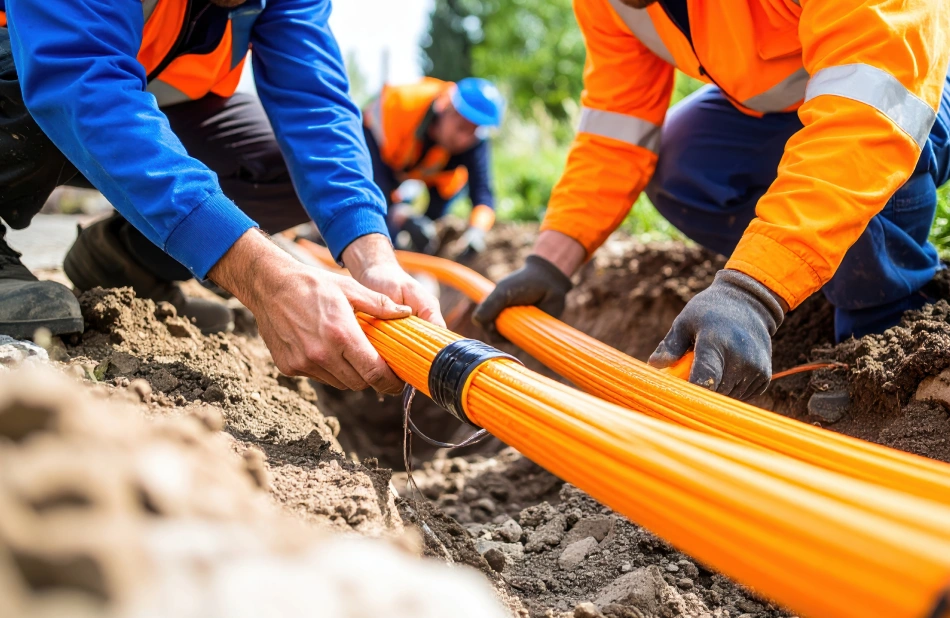
Not every electrical connection can or should remain overhead. A detached building may need a new underground feed. A pool project may require electrical service in another area of the property. A new structure may need a pathway from the utility pole to its electrical system. In each case, electrical trenching creates the route needed to move power underground.
We use equipment suited to different project sizes and property conditions. Walk-behind trenchers can provide a controlled approach for certain line runs, while mini-excavators give us additional capability when the project requires a larger ditch or different excavation approach.
The trench is prepared around the requirements of the planned underground utility installation. That includes considering the route and appropriate burial depth so the electrical components can be installed where they need to go.
Our trenching capabilities can include:
- Pole-to-structure runs: Create underground pathways from utility poles toward homes and other structures when the electrical project calls for buried service connections
- Detached building connections: Prepare trenches for underground power lines serving shops, sheds and other separate structures located away from the property’s main building
- Pool electrical runs: Dig pathways for electrical infrastructure that needs to extend toward pool areas or related equipment located elsewhere on the property
- Underground electrical conduit: Prepare the route and depth needed for conduit that protects electrical wiring as it travels beneath the property
- Additional utility ditches: Dig complementary trenches for water lines or other utility needs when requested while trenching equipment is already on the property
Handling the trenching and electrical needs together can also simplify coordination. Instead of treating utility excavation and electrical installation as completely separate jobs, we understand how the pathway relates to the electrical system that will ultimately use it.
Protect Buried Electrical Lines From Surface Hazards
Moving electrical infrastructure underground offers practical advantages in the right application. Overhead electrical lines can be exposed to weather, falling branches and other physical conditions. Buried electrical infrastructure places those lines beneath the surface, where conduit and proper burial help protect the electrical run from many above-ground hazards.
Proper utility line trenching is important to that protection. The trench needs to provide the depth required for the planned electrical installation, and the pathway needs to work with the structures or equipment being connected. Simply creating a shallow ditch without considering the electrical requirements does not provide the same foundation for an underground installation.
Our utility excavation work is performed with the electrical project in mind. Once the pathway is prepared, underground electrical wiring or conduit can follow the planned route between the necessary points on the property.
This capability is particularly useful for customers planning other electrical improvements. Homeowners can combine trenching with our residential electrical services when extending power to another part of the property. Projects involving new structures may also require electrical construction once the underground pathway reaches the building.
If the new electrical run changes the property’s power requirements, an electrical panel upgrade may also need to be considered. We can discuss how these different parts of the electrical project work together rather than looking at the trench in isolation.
There is another practical advantage when our excavation equipment is already on site. If a customer also needs a ditch for a water line or another utility, we can discuss digging the additional pathway during the same visit. This can reduce the need to arrange a separate excavation project later.
Crow Electrical Services, Inc. provides utility trenching for customers in Malvern, AR and throughout Central Arkansas. From a utility pole to a home or from a main structure to a detached shop, shed, or pool, we focus on preparing a clean, properly planned pathway for the underground electrical connection the property needs.
Frequently Asked Questions About Trenching
-
We provide electrical trenching for underground utility runs between utility poles and structures as well as connections to detached shops, sheds, pools and other areas of a property. We handle both smaller and larger ditch projects using equipment selected according to the size, layout and requirements of the planned utility run.
-
We use walk-behind trenchers and mini-excavators for our utility excavation work. The equipment selected depends on factors such as the size of the ditch, the route across the property and the requirements of the electrical project. Having different equipment options allows us to approach both smaller pathways and larger excavation needs.
-
Our trenching work is specifically designed around underground electrical projects, including pathways for underground electrical conduit and wiring. Because we also perform electrical work, we can approach the excavation with the intended electrical installation in mind rather than preparing a trench without considering how the utility connection will use it.
-
Yes. We can create underground pathways to detached shops, sheds and other structures that need an electrical connection away from the main building. The project can involve preparing the trench for underground power lines or conduit and addressing the related electrical work needed to extend power to the separate structure.
-
Yes. When our trenching equipment is already on the property for an electrical project, we can also discuss digging an additional ditch for a water line or another utility need. This gives customers an opportunity to complete complementary utility excavation without arranging a separate equipment visit for the additional trench.
Put Underground Power on the Right Path
Planning an underground electrical run? Talk with us about trenching for power to your home, shop, shed, pool, or other structure.